

How Pneumatic Tube Systems Work
A Smarter Path to Efficiency
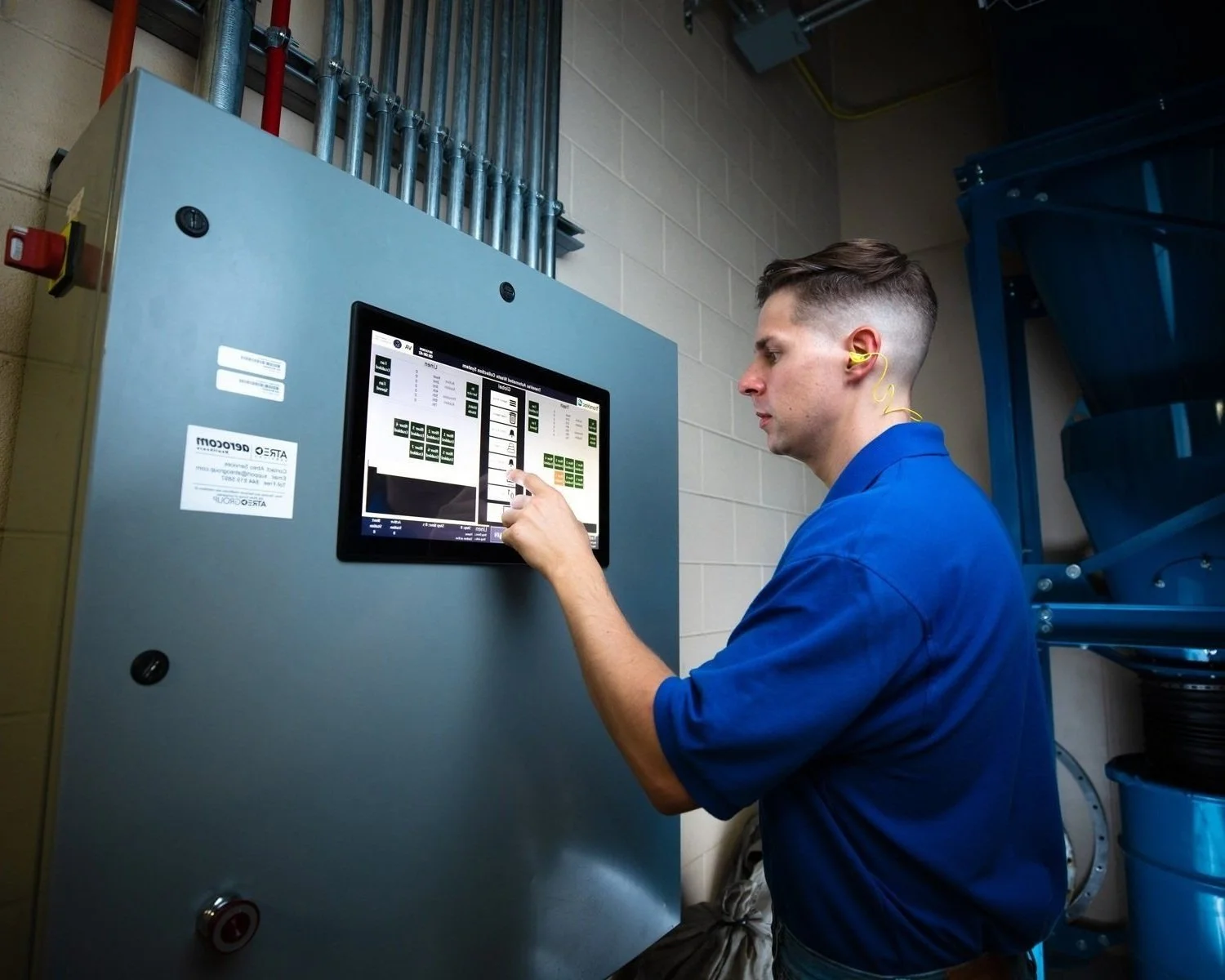
Discover the Aerocom Advantage
What Is a Pneumatic Tube System?
Pneumatic tube systems use air pressure, compressed air, and controlled pneumatics to move carriers containing items or documents through a network of tubes.
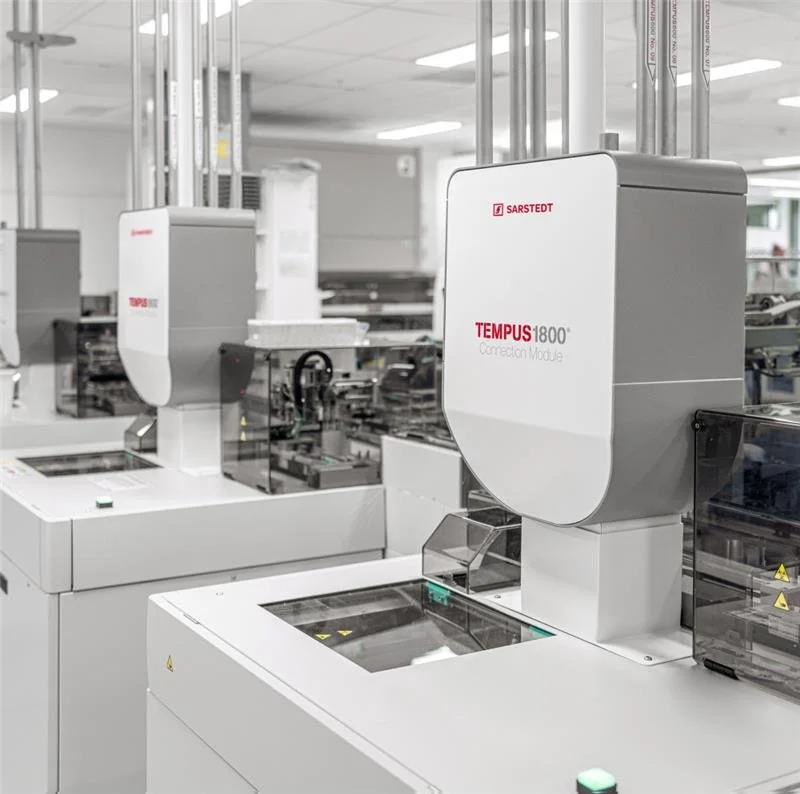
Shows a Tempus1800 vial delivery system transporting materials from icu/emergency/phlebotomy stations (automated workflow) into the lab.
Utilizing a high-performance blowers, the system creates both positive pressure and vacuum, ensuring that the force applied is precisely regulated by advanced control systems and automation.
Pneumatic tube systems are commonly used in hospitals (medical applications), banks, retail stores, logistics facilities, and manufacturing centers; where valves, cylinders, and vacuum work together to transfer products securely, and efficiently; within large buildings.
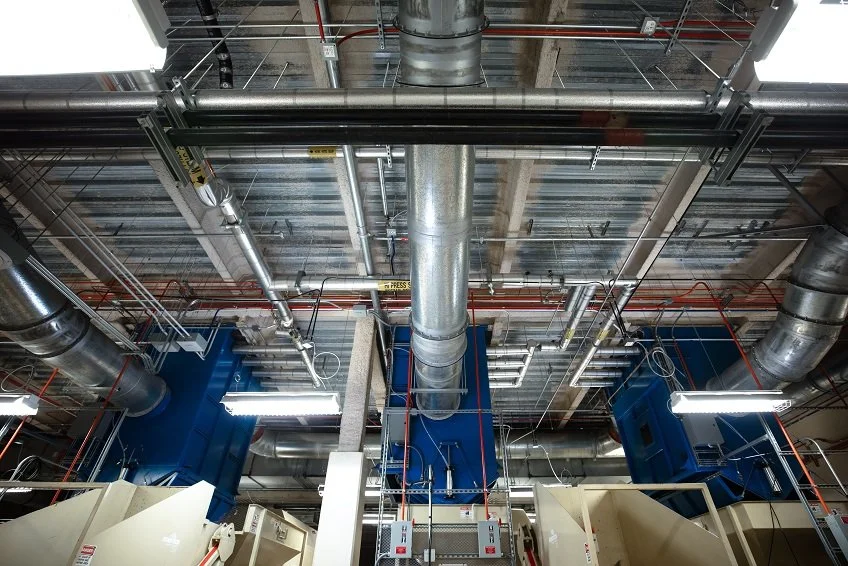
Components of a Pneumatic Tube System
Carriers
Transparent, durable containers for items—various sizes with options for healthcare and medical applications. These carriers are designed for optimal performance by withstanding the forces generated by compression and decompression cycles.
Stations
User-friendly send/receive ports equipped with digital control systems and automation interfaces that monitor air pressure, compressed air flow, and dynamic energy transfer.
Diverters
Mechanical intersections that route carriers, to ensure safe redirection using controlled pressure and pneumatic actuators.
Blowers
Compact, modern fans/motors that draw or push air through the system. They create the necessary force and pressure that drive the carrier's mechanical motion and energy transfer, while integrated cylinders and valves help optimize the dynamic vacuum dynamics.
How Does a Pneumatic Tube System Work?
Simple and User-Friendly Operation
Insert the item into the carrier. The insertion process considers safety standards to ensure the load is secure and balanced.
1.
Load the carrier into the sending station, where control systems confirm the proper air and gas pressures.
2.
Use the interface to select a destination with built-in automation and advanced control that monitors compressed air and vacuum dynamics.
3.
The blower activates. A powerful compressor generates the necessary compression, transferring precise energy to the carrier.
4.
Diverters route the carrier using actuators and finely tuned valves, ensuring that pneumatic force and pressure are applied appropriately.
5.
The carrier arrives at the destination, having benefited from controlled mechanical motion and dynamic force distribution.
6.
The Aerocom Advantage
What Makes Atreo’s Systems Unique?
Pass-Through Station Design
Features less piping, shorter distances, higher throughput, and lower costs by optimizing compression and vacuum dynamics.
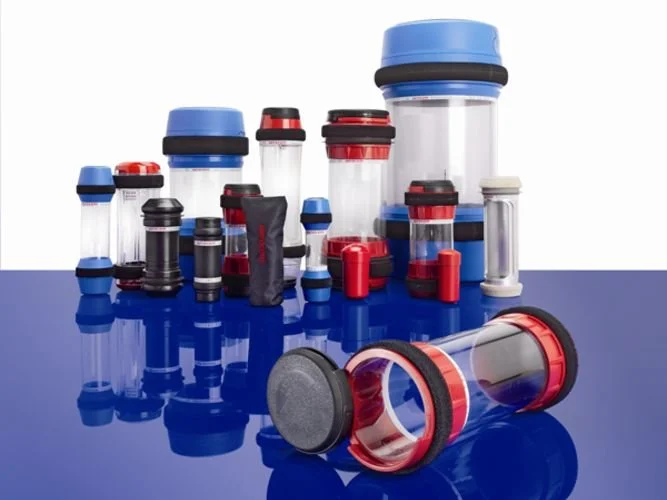
RFID Tracking and Customization
Every carrier is tracked and assignable by use or department, while dynamic valves and pneumatic actuators ensure precise system monitoring and optimized energy transfer.
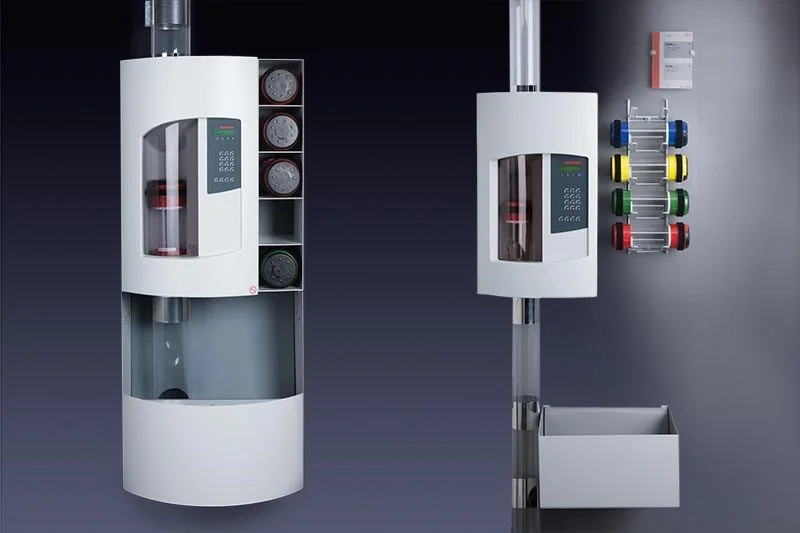
Compact & Quiet Operation
Blowers, diverters, and stations are smaller, quieter, and make use of vacuum pressure technology. This results in facilities receiving more usable space and reduced noise, with controlled pressure and safety features built into every component.
Conversions and System Upgrades
Easy, Non-Disruptive Conversions
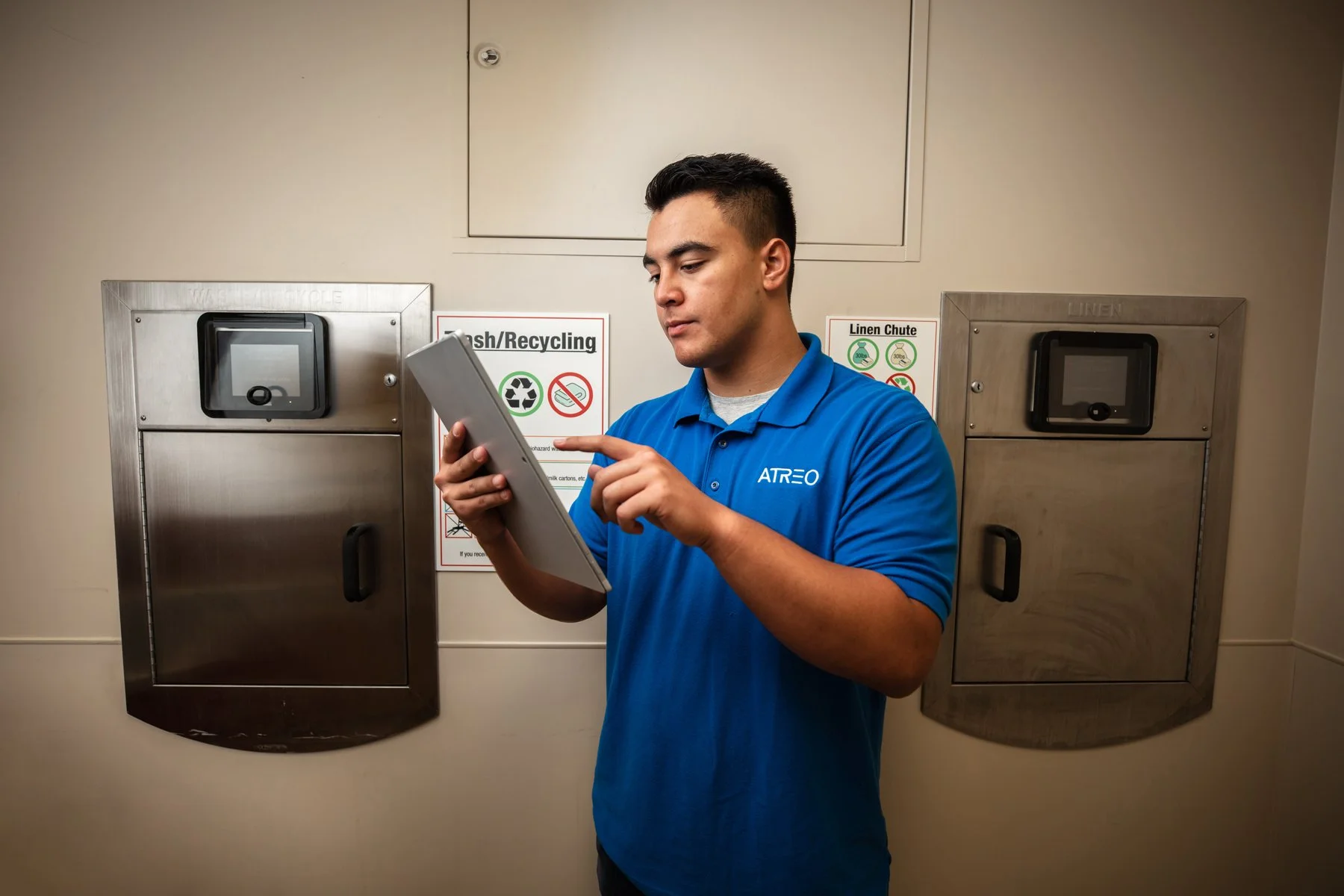
Our linear coupler transfer system stands as the industry’s most compact, efficient, and energy-efficient solution; installation is scheduled to minimize operational disruption and ensure smooth energy transfer and mechanical motion throughout the facility.
Upgrading to Atreo is minimally invasive, as each conversion leverages modern control systems, compressed air technology, and optimized vacuum dynamics, with minimal construction required.
Proven Savings and ROI
Does a Pneumatic Tube System Pay Off?
Labor Savings
Staff can focus on higher-value tasks with reduced manual handling due to automation and controlled pneumatic systems.
Faster Turnaround
Boost productivity with rapid energy transfer and efficient compressed air routing.
Typical Payback
6-24 months, reflecting the high performance, energy efficiency, and vacuum dynamics optimization.
Low Maintenance
& Energy Costs
Smart compressors, valves, and control systems minimize downtime while ensuring optimal force and power usage.
Applications Across Industries
Who Uses Pneumatic Tube Systems?
Residential
Copy update
Healthcare
Safely move specimens, medications, documents, and waste using robust pneumatic control systems and high-pressure compressed air.

Commercial
Secure cash and receipts with dynamic actuators and vacuum power components coordinating energy transfer.
Questions & Support
-
Yes — Aerocom is engineered for both new and retrofit installations, integrating well with existing pneumatic, control, and energy transfer components (such as compressors, valves, and cylinders).
-
Most installs/upgrades require minimal downtime by using advanced vacuum dynamics and controlled mechanical motion to ensure safe, efficient conversions.
-
Full lifecycle support is provided, including remote monitoring of compressed air systems, proactive maintenance using control systems and automation, as well as a comprehensive warranty and fast service—all ensuring continued safety and operational performance.
Ready to Move Forward?
Schedule a free consultation or request a custom assessment to learn how Aerocom pneumatic tube systems, utilizing advanced compression, fluid power, and control technologies, can optimize your organization’s applications and components with energy-efficient compressed air and gas pressure solutions.