
Sustainable Waste Management for Hospitals
Inside the New Blueprint for Hospital Sustainability and Waste Reduction
Hospitals generate significant healthcare waste daily, from general refuse and recyclables to hazardous and infectious materials.
Effective waste management is essential for patient and staff safety, environmental stewardship, and cost control. As healthcare sustainability is scrutinized, hospital leaders must re-evaluate waste management and medical disposal systems as core elements of sustainable hospital design.
The Challenges of Hospital Waste Management
Managing hospital waste is uniquely complex due to high volumes, diverse waste types, strict regulatory oversight, and the constant need to minimize contamination risks.
Inadequate practices can lead to compliance violations, increased costs, and health hazards. Simultaneously, hospitals face mounting pressure to enhance sustainability and reduce their environmental footprint while maintaining operational excellence.
Key Challenges:
High volume and variety of waste (general, hazardous, pharmaceutical, sharps)
Regulatory demands from agencies like OSHA, EPA, and local authorities
Risk of cross-contamination and hospital-acquired infections
Rising waste handling and disposal costs
Growing expectations for sustainability from stakeholders and the community
Technology-Driven Medical Disposal Systems
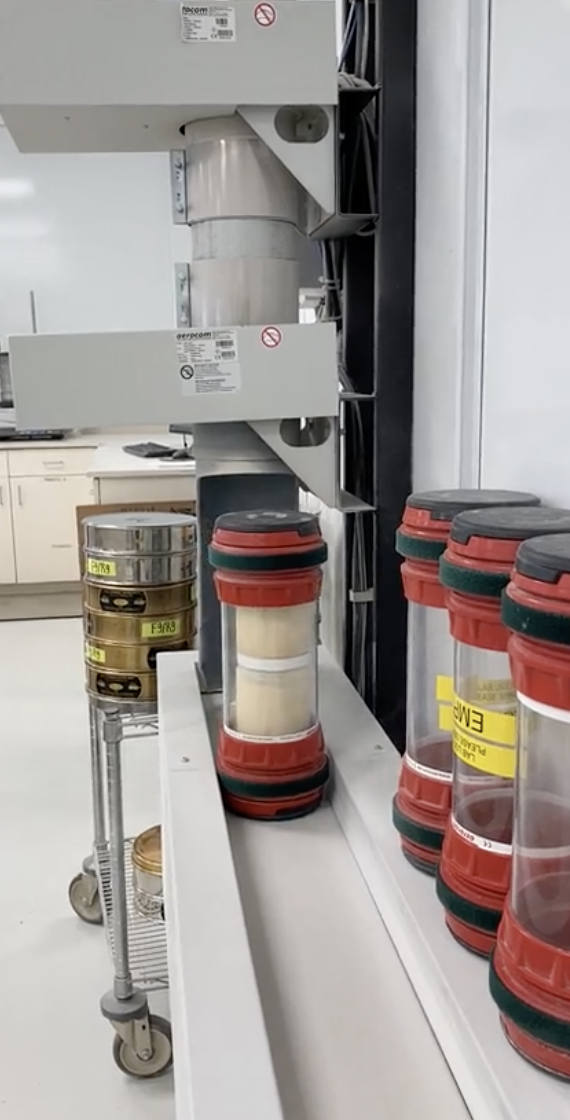
Modern hospitals are adopting advanced disposal systems to enhance safety, efficiency, and sustainability in managing medical waste.
Automated technologies—such as pneumatic tube systems—safely transport waste and specimens internally, reducing manual handling, infection risk, and workflow bottlenecks.
Smart tracking tools and digital compliance platforms enable real-time monitoring, secure documentation, and actionable insights.
Innovations in Sustainable Hospital Design:
Touchless disposal systems to minimize staff exposure
Smart bins with fill-level sensors and automated alerts
Reusable sharps and pharmaceutical containers are designed for safe sterilization
Analytics-driven tools to optimize sustainability and waste management strategies
Pneumatic Tube Systems: Advancing Sustainable Hospital Design
Pneumatic tube systems offer a fast, secure, and environmentally friendly way to move medical waste, specimens, and medications, significantly reducing healthcare waste and the hospital's environmental impact.
Their benefits include:
Reduced manual waste transport and lower labor requirements
Enhanced infection control through closed, automated transfer
Efficient operation with minimal energy consumption
Flexible integration into both new and existing facilities
Decreased need for disposable transport supplies
Support for clean, safe, and efficient hospital workflows
By integrating pneumatic tube systems, hospitals create safer environments, optimize resources, and advance sustainability goals through improved hospital practices.
Operational Best Practices for Sustainable Waste Management
A successful waste management program requires organization-wide commitment, from leadership to environmental services staff.
Embedding waste management into daily operations improves safety, efficiency, and public trust.
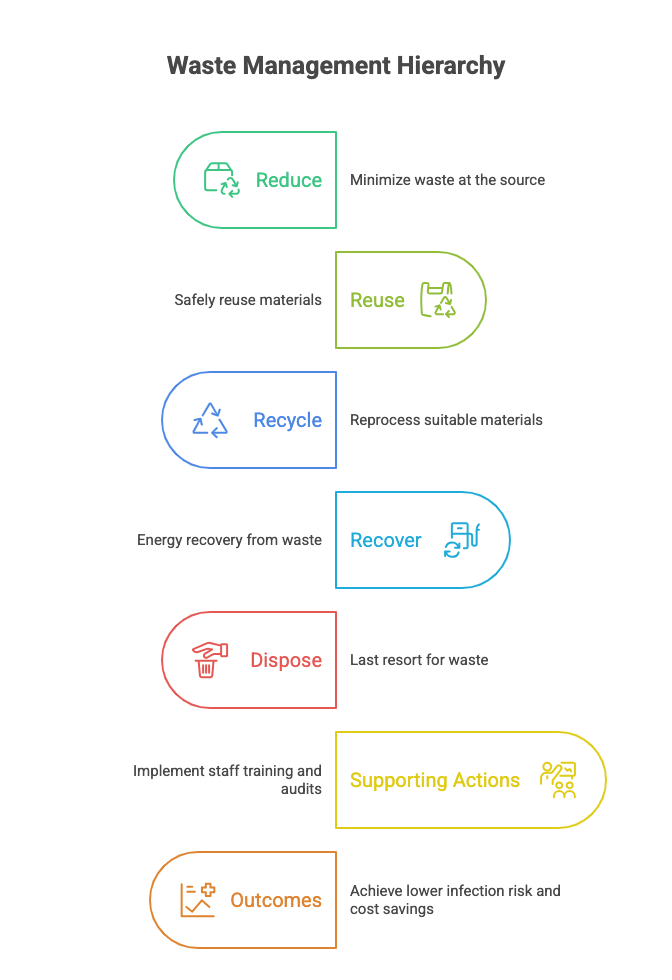
Operational Essentials
Ongoing staff education and accountability
Clear signage and process reminders throughout the facility
Routine audits and performance reviews
Regular feedback to identify improvement opportunities
Strong partnerships with accredited medical waste service providers to ensure effective healthcare waste treatment solutions
Proven Results: Hospital Case Studies
Hospitals that implement sustainable waste management and advanced disposal systems report measurable benefits:
Cost savings: Reduced hazardous waste handling and fewer regulatory penalties
Health risks and safety enhancements: Lower rates of sharps injuries, reduced exposure to medical waste, and decreased infection transmission
Sustainability outcomes: Increased waste diversion from landfills, improved non-hazardous waste management, and progress toward environmental goals
Staff engagement: Higher satisfaction from safer, more efficient workflows and a shared sustainability mission
One urban hospital reduced regulated medical waste by 30% and saved over $100,000 annually after deploying automated internal waste transport and smart tracking systems.
A Roadmap for Sustainable Hospital Design
To future-proof your facility:
Conduct a comprehensive waste audit to establish a baseline and identify areas for improvement.
Set measurable goals for safety, compliance, and sustainability.
Assess current medical disposal systems and explore technology-driven upgrades.
Engage and empower staff through training and feedback.
Monitor progress and celebrate milestones to foster a culture of continuous improvement.
